
Mixed Media Art: Combining Materials & Creative Expression
Key Takeaways
- Mixed media art combines two or more materials in a single artwork: collage, assemblage, found objects, and wet or dry layers;
- It differs from multimedia art, which blends visual art with digital elements like video, audio, or interactivity;
- Photos are powerful components in mixed media artworks, since artists can pair prints with acrylic paint, paper, fabric, and texture for personal stories;
- Mixtiles lets you display and refresh your pieces with adhesive, repositionable frames, so no nails and no damage.
Mixed media art blends different materials like paper, acrylic paint, fabric, ink, and found objects in one piece. If you are asking what is mixed media art, think of an artistic process where visual art techniques are layered to add depth and meaning. In this quick guide, you will learn the difference with multimedia art, the main types, beginner projects, and how to photograph your work for beautiful photo tiles. Then, make your display effortless with Mixtiles.
Turn your art into stunning canvas prints. It's easy to turn your photos to canvas with our app.
What is mixed media art exactly?
It is art that combines different media in a single work of art, rather than using one medium only. Artists use a range of materials like paint, paper, fabric, natural materials, and even small sculpture or found objects. Popularized in the 20th century by Pablo Picasso and Georges Braque, this form invites creating layered, tactile pieces. When you are ready to display your piece, learn how to hang wall art without nails to keep your surfaces pristine.
How is mixed media different from multimedia?
Mixed media uses physical materials: paint, paper, textiles, wood, and similar elements. Multimedia art includes digital art or performance: video, audio, motion graphics, or interactive technology combined with visual art. Both mix elements, yet one focuses on tangible media, the other adds electronic components.
What are the main types of mixed media?
The most common types of mixed media combine different materials to create mixed media artworks with texture and story.
Collage

Paper, photos, and ephemera are layered to build a new composition.
Assemblage

Three-dimensional media art include reliefs or sculpture made from combined objects.
Found-object art
Everyday objects are used to create a piece with context and narrative.
Wet vs. dry media layering

Acrylic paint and inks blend with pencils, charcoal, or pastels for contrast.
|
Type |
Common materials and elements |
|---|---|
|
Collage |
Paper, photos, fabric, glue; |
|
Assemblage |
Wood, wire, small objects, adhesive; |
|
Found-object |
Found objects, natural materials, hardware; |
|
Wet + Dry |
Acrylic paint, ink, pencil, charcoal. |
Can photos be part of mixed media?
Absolutely. Use printed photos as focal points or fragments, then add paint, gel medium, tissue paper, washi tape, or handwritten notes. This approach helps a mixed media artist build a personal narrative that feels like a memory photo book.
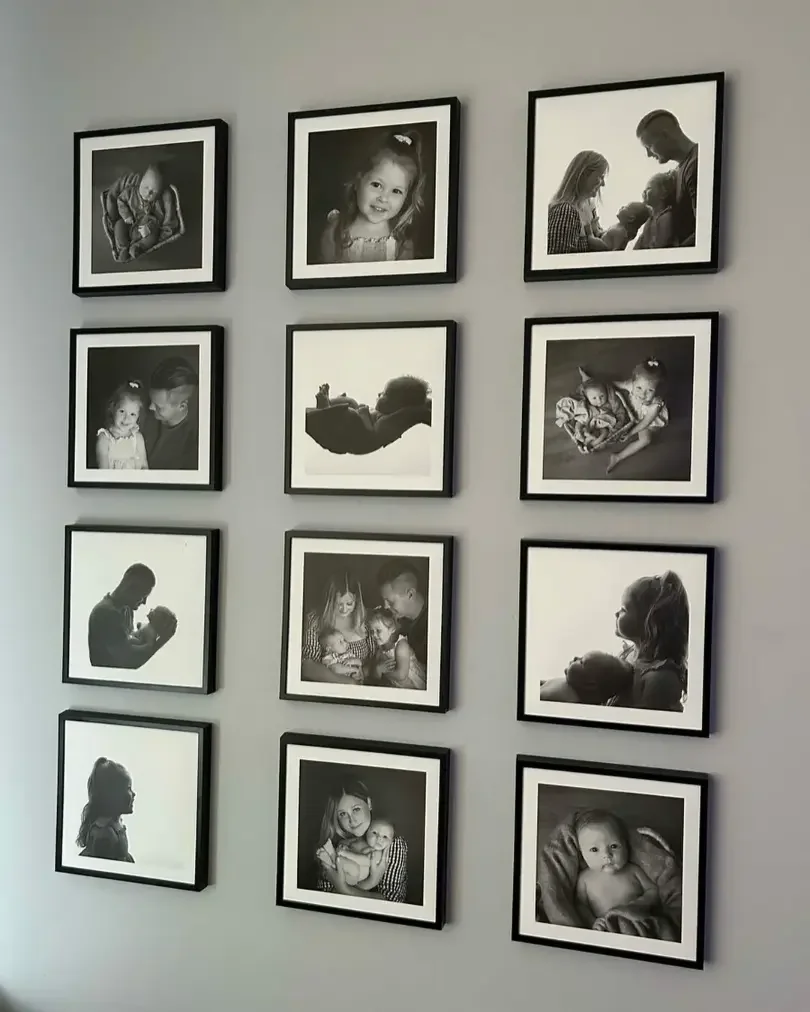
Upload your art photos to build a nail-free, flexible photo gallery wall. Our frames make it simple to create the perfect layout.
What beginner-friendly mixed media projects can you try at home?
Start simple, then layer more elements as your confidence grows.
- Photo plus acrylic gel medium with tissue overlays for soft texture;
- Travel map with mini prints and stitched thread routes;
- Pressed leaves with black and white portraits and gold paint accents;
- Washi tape borders with marker doodles and postcard photos.
Want more inspiration? Explore our simple DIY wall art ideas.
How do you photograph and print mixed media for beautiful wall tiles?
Follow these quick steps to capture your piece at its best.
- Shoot in bright, even light, and avoid glare on glossy areas;
- Hold the camera straight on and crop edges square;
- Edit lightly for true color and clean contrast;
- Upload to Mixtiles, choose a frame style, then plan your layout.
Before you stick your tiles, review how to arrange art on a wall for balanced spacing and a cohesive flow.
Mixed media art proves that art can be made from a range of materials and different media to tell layered stories. Whether you like collage, assemblage, or wet and dry layering, your mixed media artwork deserves a flexible, beautiful display of wall arts. Capture your work, print it, and refresh your walls anytime with Mixtiles.
Create a movable gallery of your mixed media art. Turn your creations into unique photo tiles with Mixtiles today.
Frequently Asked Questions
What does mixed media art mean?
Mixed media art is any artwork that combines two or more materials in a single piece. Artists might layer acrylics with paper collage, fabric, ink, or found objects. The goal is to build texture, contrast, and narrative by letting different materials interact on one surface.
What does mixed media art typically look like?
It often features layered surfaces, visible textures, and surprising juxtapositions. You might see photographs set into painted backgrounds, hand-drawn details over collage, or typography with abstract shapes. Some works stay flat, others include relief elements that project slightly from the surface.
How is mixed media different from traditional painting?
Traditional painting relies mainly on paint as the medium, usually on canvas or paper. Mixed media combines multiple media in one work, such as paint, ink, collage, textiles, or found objects. A painting that adds other materials becomes a mixed media painting.
Who are well-known mixed media artists?
Early pioneers include Pablo Picasso and Georges Braque with collage. Later figures like Robert Rauschenberg, Hannah Höch, and Kurt Schwitters expanded assemblage and photomontage. Contemporary artists frequently blend mediums as well, reflecting the flexibility and storytelling power of mixed media.

Be the first to know — deals, news & decor ideas.
By clicking you agree to the Terms of Use & Privacy Policy