
Watercolor Art Explained: Techniques & Display Ideas
Key Takeaways
- Watercolor art uses pigments bound with water-soluble gum, usually gum arabic, applied to paper and valued for luminous, transparent color;
- Its global history spans ancient manuscripts to the English school and the 20th century, with hallmark techniques like washes, wet-on-wet, and glazing;
- Watercolor differs from gouache and ink wash in transparency, binders, and finish, and its look comes from bright paper showing through dispersed pigment;
- You can display watercolor aesthetics at home by framing originals or printing watercolor-style photos as peel-and-stick Mixtiles for clean, damage-free walls.
Watercolor art, also called aquarelle, is a painting method where pigments suspended in water are brushed onto paper to create luminous, layered color. From Renaissance botanicals to contemporary landscapes, artists love watercolor for its transparency, fluid effects, and expressive range. In this guide, you will learn what is watercolor art, how it evolved, the core materials and techniques, and how to display it beautifully at home. We will also show how to bring watercolor-inspired looks to your walls with Mixtiles.
Create a watercolor-inspired wall gallery, minus the nails. Upload scans of your watercolor painting or watercolor-style photos to the Mixtiles app and build your photo walls in minutes. They are lightweight, adhesive, and easily repositionable.
What is watercolor art, exactly?
Watercolor is a water-based medium where watercolor paints are made from finely ground pigment, gum arabic as a binder, and water. Artists typically paint on cotton-based watercolor paper, which can be cold-pressed for texture or hot-pressed for a smooth surface. The signature luminosity comes from light bouncing off bright paper between dispersed particles, which is why the surface looks clear and radiant with minimal fillers.
How did watercolor art evolve through history?
Watercolor has a long history that reaches back to ancient manuscripts and ink-based traditions around the world. It grew into a mature painting medium during the Renaissance, then flourished in the 18th and 19th century English school where it was often used for topographical, botanical, and travel art. Joseph Mallord William Turner is frequently highlighted for his mastery of washes and glazes. He is part of the movement often credited with establishing watercolor as a refined practice. By the late 19th century, societies promoted materials and techniques and helped watercolor become a respected fine art.
In the 20th and 21st centuries, artists around the world continued to experiment. From European modernists to regional American painters, watercolor painting adapted to new subjects and approaches. Today it remains portable, expressive, and relevant. Its immediacy, quality of color, and versatility continue to inspire a new generation of artists.
What materials do watercolor artists rely on?
At its core, the watercolor toolkit is simple. Quality materials improve control, color, and the overall painting experience.
Here are the essentials most artist studios keep within reach:
- Paint: Watercolor paints made from pigment, gum arabic, and water, sometimes with glycerin or honey to improve flow;
- Paper: Cotton content, internal and external sizing, and weight determine absorption; cold-pressed gives texture, hot-pressed is smoother;
- Brushes: Soft, absorbent rounds and flats that carry plenty of water and allow both washes and fine detail;
- Helpful extras: Masking fluid or tape, palettes, sponges, and paper towels to manage edges, lift color, and keep mixes clean.
Which watercolor techniques create that signature look?
Foundational techniques combine water, pigment, and paper to create soft gradients, crisp edges, and layered depth. You can learn these quickly, then refine them over time.
Foundational approaches
- Washes (flat and graded): Flat washes lay even color across paper. Graded washes shift value smoothly from darker to lighter. Tilt the paper and adjust water ratios to keep edges clean and transitions silky.
- Wet-on-wet vs. wet-on-dry: Wet-on-wet allows pigment to bloom into damp paper, creating atmospheric edges that feel like mist or clouds. Wet-on-dry, applied to dry paper, delivers sharper lines and controlled shapes.
- Layering (glazing): Transparent layers stacked over dry passages shift hue and build depth. Gentle glazes can unify mixed colors, carve shadows, and refine form without heavy paint.
- Dry brush, masking, and lifting: Dry brush skims textured paper for crisp sparkle. Masking fluid preserves whites for highlights. Lifting with a damp brush or sponge pulls color back to reveal paper and correct mistakes.
Mixing media and textures
Some artists add small touches of gouache for opaque highlights or mix salt and alcohol for crystalline or organic textures. These effects are best used sparingly to support composition and clarity.
What makes watercolor different from gouache or ink?

While all are water media, each behaves differently, which changes how you plan, paint, and display the art.
|
Feature |
Watercolor |
Gouache |
Ink Wash |
|---|---|---|---|
|
Transparency |
Transparent, paper shines through; |
Opaque, high hiding power; |
Often transparent or semi-transparent. |
|
Binder |
Gum arabic with water; |
Gum arabic with higher pigment and added chalk; |
Varies by ink formulation. |
|
Finish |
Light, luminous surface; |
Matte, velvety surface; |
Matte to satin depending on ink. |
|
Typical Support |
Cotton watercolor paper; |
Paper or illustration board; |
Paper or silk. |
|
Signature Techniques |
Washes, glazing, lifting; |
Flat shapes, graphic highlights; |
Calligraphic strokes, tonal layering. |

Watercolor’s transparent look, compared with gouache’s matte opacity and ink’s staining behavior, guides how an artist plans each layer and how viewers see depth and light.

Love the watercolor aesthetic but do not want to hammer nails? Print your watercolor scans or watercolor-style photos on our signature photo tiles. Peel, stick, and reposition until your gallery feels just right.
How should you care for and display watercolor art at home?
Protect watercolor from direct sun and humidity, then choose display formats that suit both the artwork and your space.
Framing and light considerations
Use UV-protective glazing and archival mats to keep paper off the glass. Place originals away from windows or bathrooms. Even with high quality materials and techniques, light will fade fragile pigments over time, so think about rotating pieces seasonally.
Turning watercolor aesthetics into modern wall decor
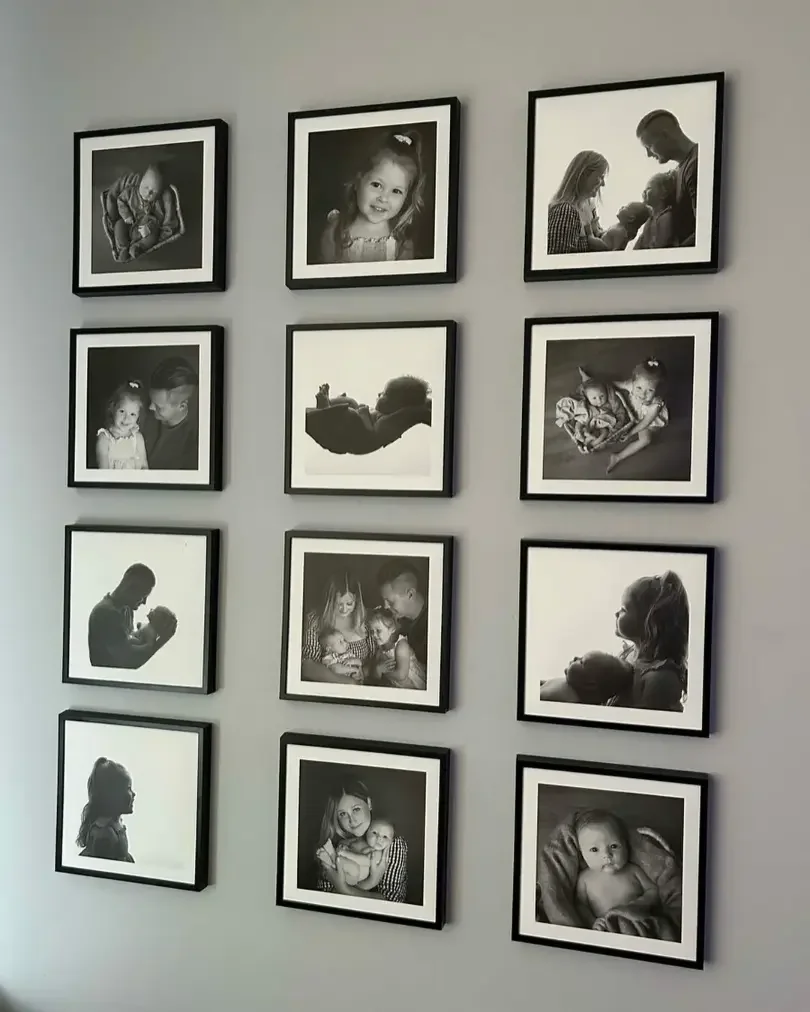
Scan or photograph your piece so you can keep the original safe while you display prints. Arrange themes like botanicals, coastal palettes, or abstract washes in balanced grids or organic clusters. Mixtiles photo tiles stick and restick cleanly, which means you can test layouts, adjust spacing, and swap new art without tools. Try our gallery walls for a curated look or our canvas prints for a bolder statement that still reads like fine art from across the room.
Not sure on proportions? Use our wall art size guide to pick dimensions that fit your space, then follow our tutorial on how to arrange art on a wall to build a cohesive layout. If you prefer damage-free installs, see how to hang wall art without nails for renter-friendly options.
Why is watercolor still so popular today?
Watercolor is portable and approachable, yet it rewards study. You can learn core techniques fast, then keep improving your brush control and color mixing with time. The medium’s fresh edges, airy gradients, and natural subjects fit today’s interiors and continue to inspire a generation of artists around the world. From the first wash you lay down to the final glaze, watercolor painting offers a unique experience that feels both new and timeless.
Watercolor art combines simple ingredients with remarkable visual depth. From centuries-old history to today’s home galleries, transparent layers, fluid textures, and vivid pigments keep charming viewers. Whether you collect originals or love watercolor-style photos, you can display that airy, painterly look with confidence, then refresh it anytime.
Turn watercolor beauty into wall-ready decor. Upload your art or photos to create stunning custom canvas prints. Our canvas pictures are easy to hang in minutes, with no tools or damage.
Frequently Asked Questions
How would you describe watercolor art?
Watercolor art uses pigments bound with gum arabic, activated with water, and brushed onto absorbent cotton paper. Because layers remain translucent, light reflects from the white paper, creating luminous color and airy gradients. Techniques like flat and graded washes, wet on wet, and glazing build depth without heavy texture.
Did Edvard Munch work in watercolor?
Yes. Edvard Munch returned to watercolor throughout his career, usually on paper, to test ideas and mood. He explored transparent washes, rhythmic lines, and quick studies that informed his oils and prints. The medium’s speed, softness, and expressive blooms supported his themes of emotion, memory, and atmosphere.
Can watercolor paint be used on ceramic?
Traditional watercolor does not bond to glazed ceramic, it beads and wipes off. For lasting results use underglaze, porcelain or overglaze paints, or acrylics, then fire or seal as directed.

Be the first to know — deals, news & decor ideas.
By clicking you agree to the Terms of Use & Privacy Policy